Antarctica Expedition Guide
What makes Antarctica a true wilderness destination?
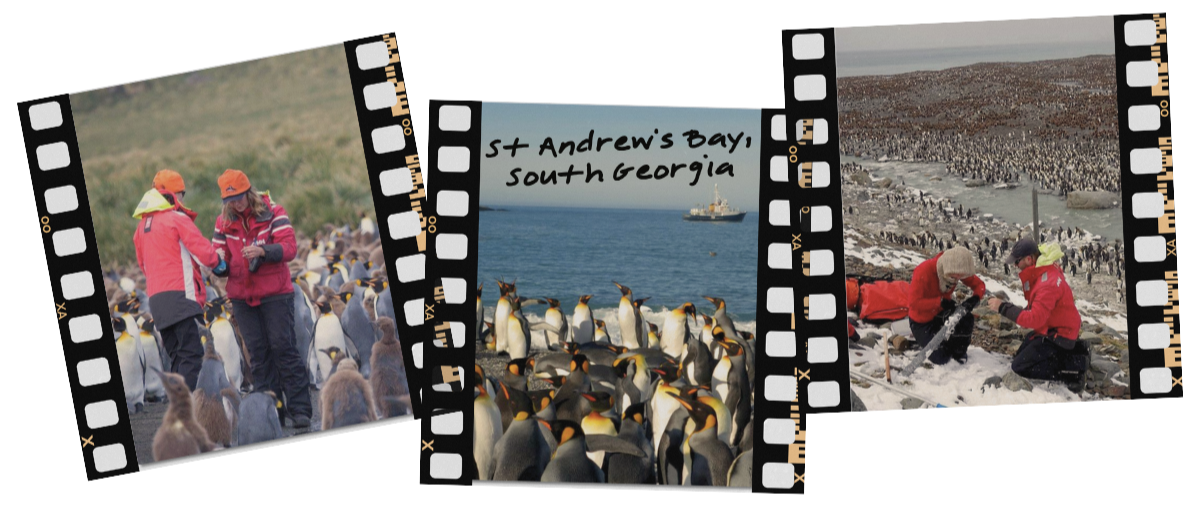
I didn't go to Antarctica as a tourist. I went as a penguin researcher, with hypotheses and trail cameras to mount in places impossible to visit in the winter. I spent more than six months in the Antarctic region across multiple field seasons- mainly on the Western Antarctic Peninsula, on the glorious island of South Georgia, and in the Falkland islands, where the wildlife exists at a scale that genuinely inspires awe. I was lucky to visit over 80 landing sites throughout the region, many in a range of weather conditions and seasons.
That experience changes what I can advise you about planning a polar expedition. I can tell you which vessels carry the best science teams, which landing sites are worth the weather risk and which aren't. I know how much visiting South Georgia adds to an expedition and the difference between a 500-passenger ship and a 12-passenger ship when you're trying to get sunrise photos of the Gold Harbour glacier.


Sign up to receive my weekly newsletter on wildlife, conservation, and travel that puts the natural world first.
When is the best time to visit Antarctica?
November First penguins arrive, courtship, nest building, sea ice possible, quieter vessels
December- January Peak season, egg laying, chick hatching, long summer days
February- March Crèches (groups of chicks) form, feathers moulting, fewer visitors
What should I consider before booking an Antarctic expedition?
What to consider when choosing a polar expedition.
How much time will I spend on land in Antarctica?
The Antarctic expedition market has grown significantly in the past decade. There are now more than 70 ships operating in Antarctic waters each season, ranging from intimate sailing yachts to vessels carrying over a thousand passengers. Only 65% them will even allow you to step ashore. Here are some initial considerations when choosing an operator.
IAATO is the International Association of Antarctica Tour Operators, an organization that ‘promotes the practice of safe and environmentally responsible travel to Antarctica.’ The organisation has regulations that no more than 100 passengers are allowed ashore at any single landing site at the same time. This single restraint makes ship size the most consequential decision you will make.
There are six categories to chose from:
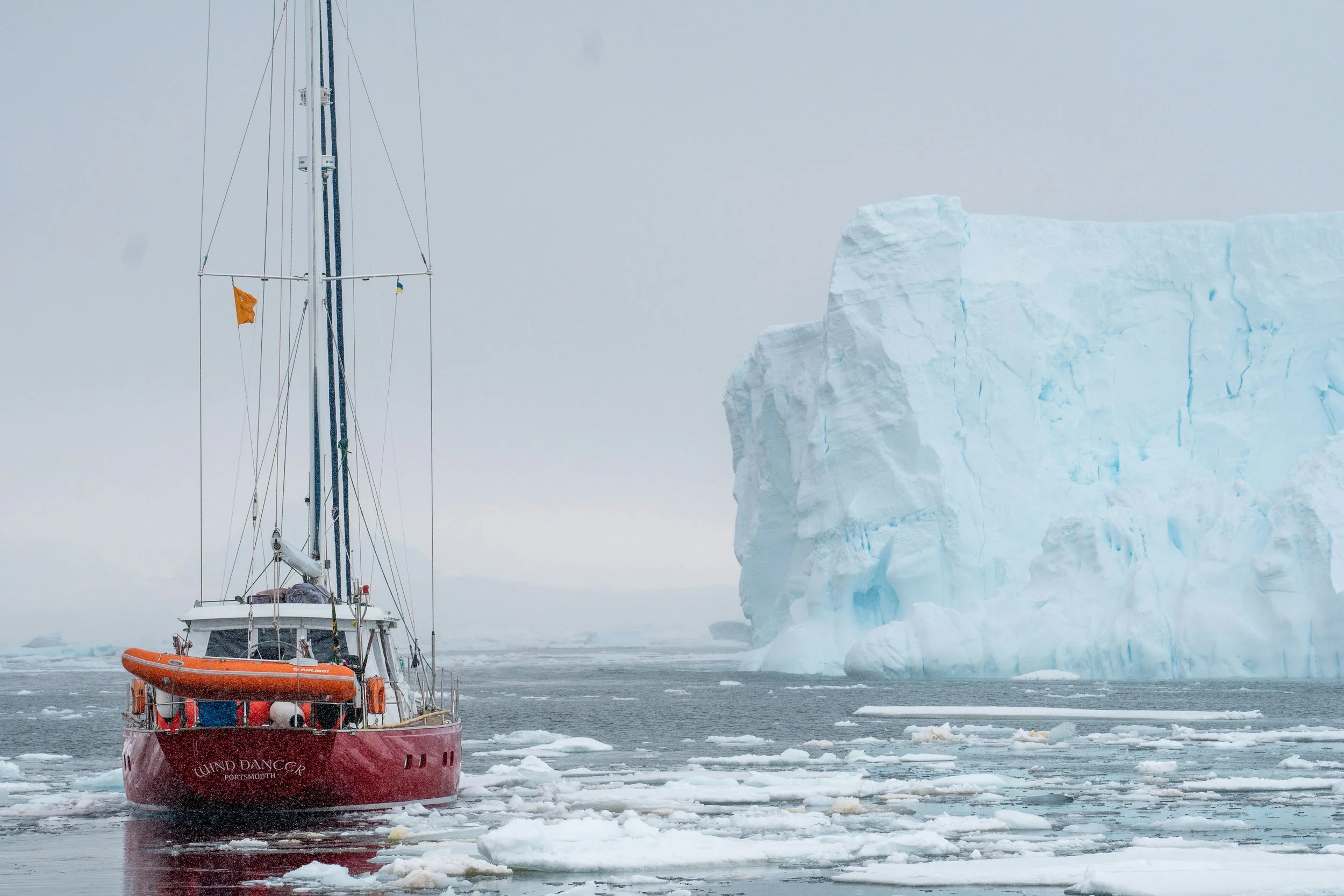
1. Yachts and sailboatscarrying up to 12 passengers have much more flexibility and access to anchorages that expedition ships can't reach. They have an unrestricted number of landings each day. This means you can come and go throughout the day between the boat (and a warm cup of tea) and landings with plenty of time to access areas of the landing site that are restricted otherwise. You also have access to zodiac cruising as you please and (if you are nice enough to the captain and first mate) may even be able to help decide where to land next. This is a great option for hikers, photographers, small groups, and those with a more adventurous spirit.
Ships: Rederij Bark Europa, Voile Australe, Grands Espaces, Tecla Sailing, Ocean Tramp, Hans Hansson, Captain Arctic, plus various other private charter sailing yachts.
Personal Note: I was fortunate to live aboard the Hans Hansson for two months during my PhD, researching penguins in South Georgia and The Falkland Islands. It was one of the most memorable experiences of my life. Thanks Dion Juliette Poncet!
2. Ships carrying fewer than 100 guests can land everyone simultaneously, with no rotations and no waiting. This is widely considered the gold standard for Antarctic expedition travel. You spend the maximum time ashore, the guides are never split across groups, and the whole ship moves together as one expedition team. You get the most time on land without sacrificing the everyday conveniences that come with a larger vessel.
Ships: Antarctica21, Antarpply, Cheesemans' Ecology Safaris, Waterproof Expeditions, Students on Ice, Grand Circle, Plantours Kreuzfahrten
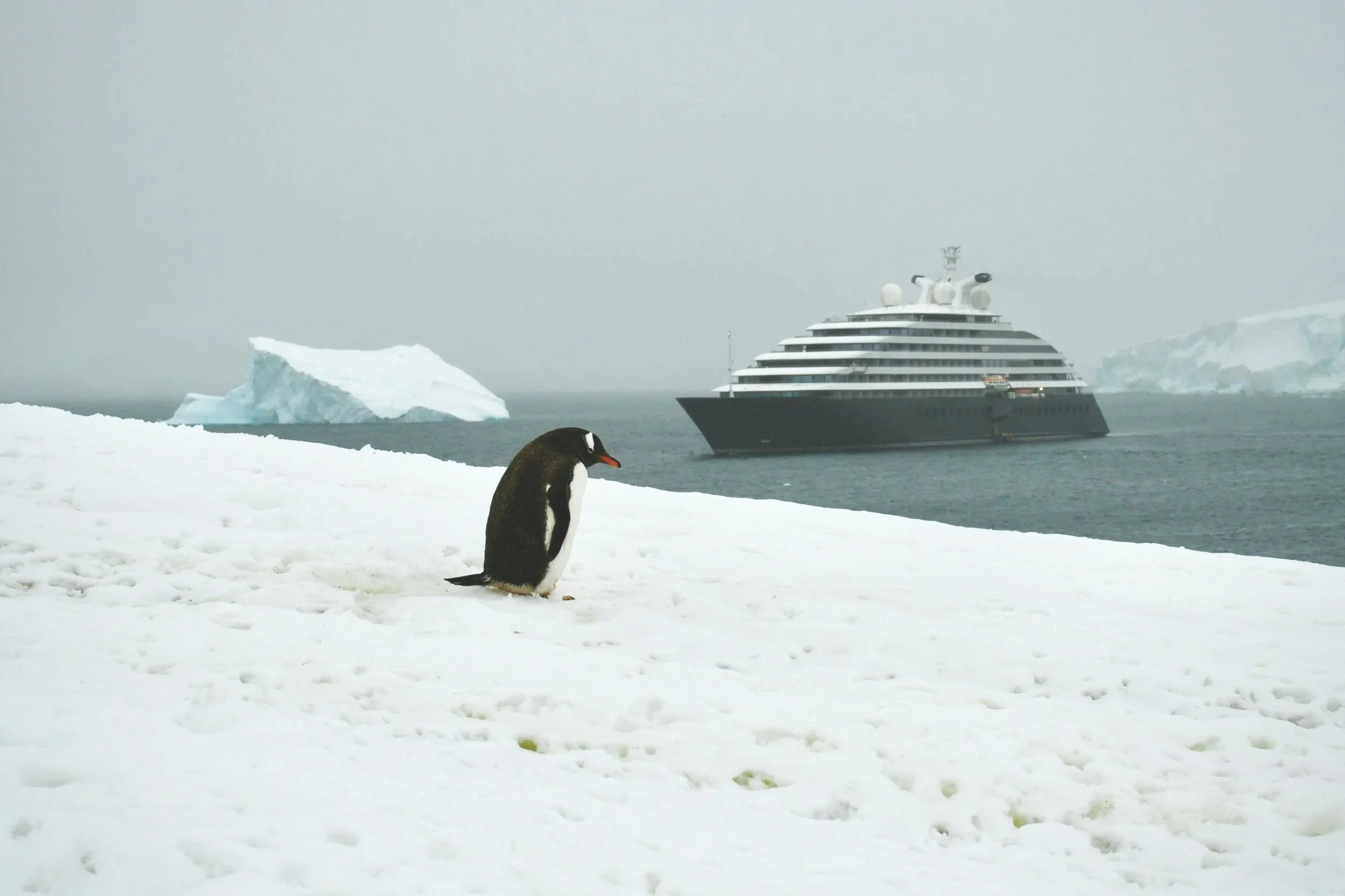
Personal Note: I worked with Quark Expeditions for three years during my PhD, researching penguins in the Antarctic, South Georgia, and The Falkland Islands. I absolutely loved the staff’s team spirit and would recommend it in a heartbeat (for the right person of course).
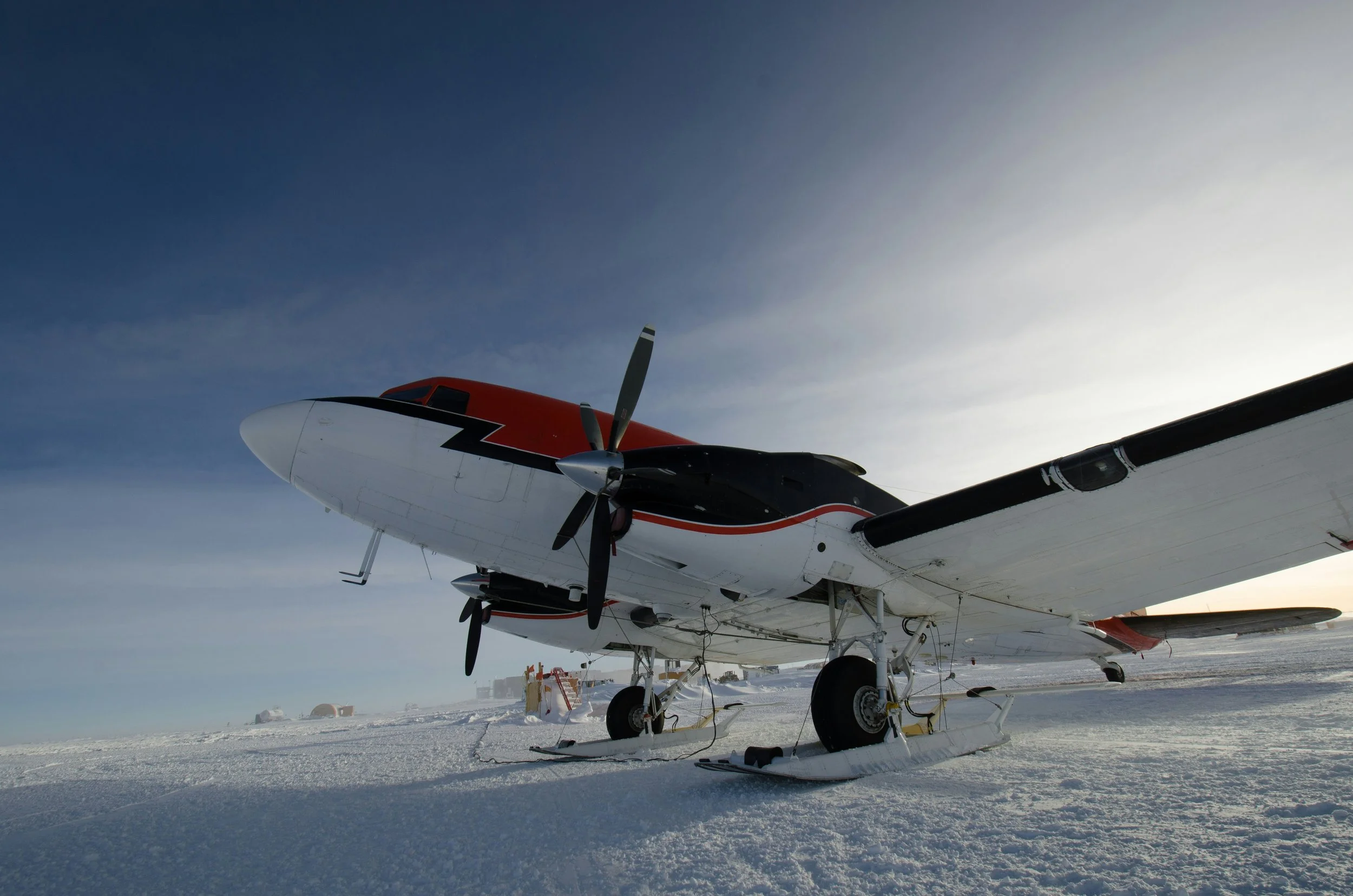
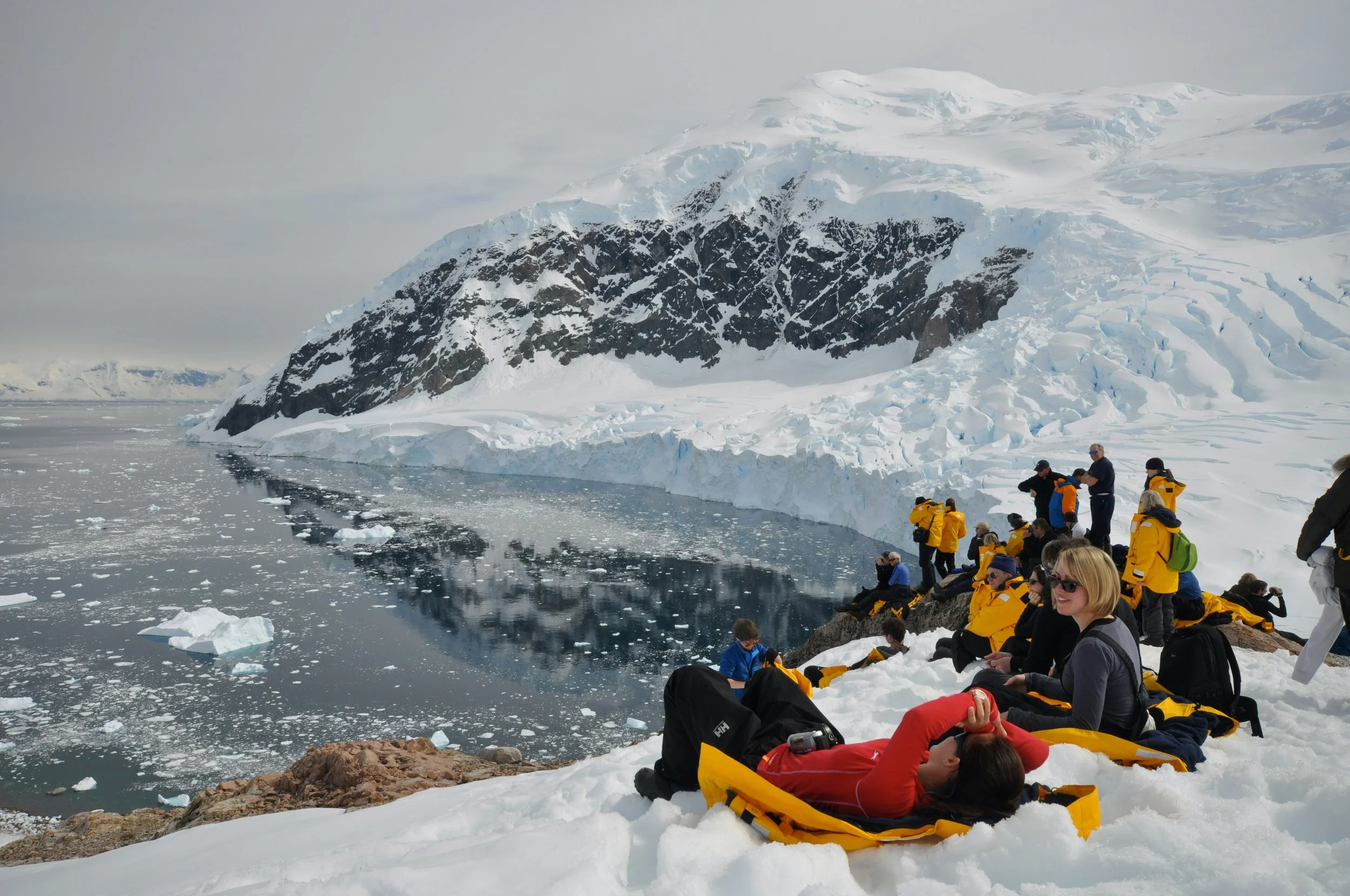
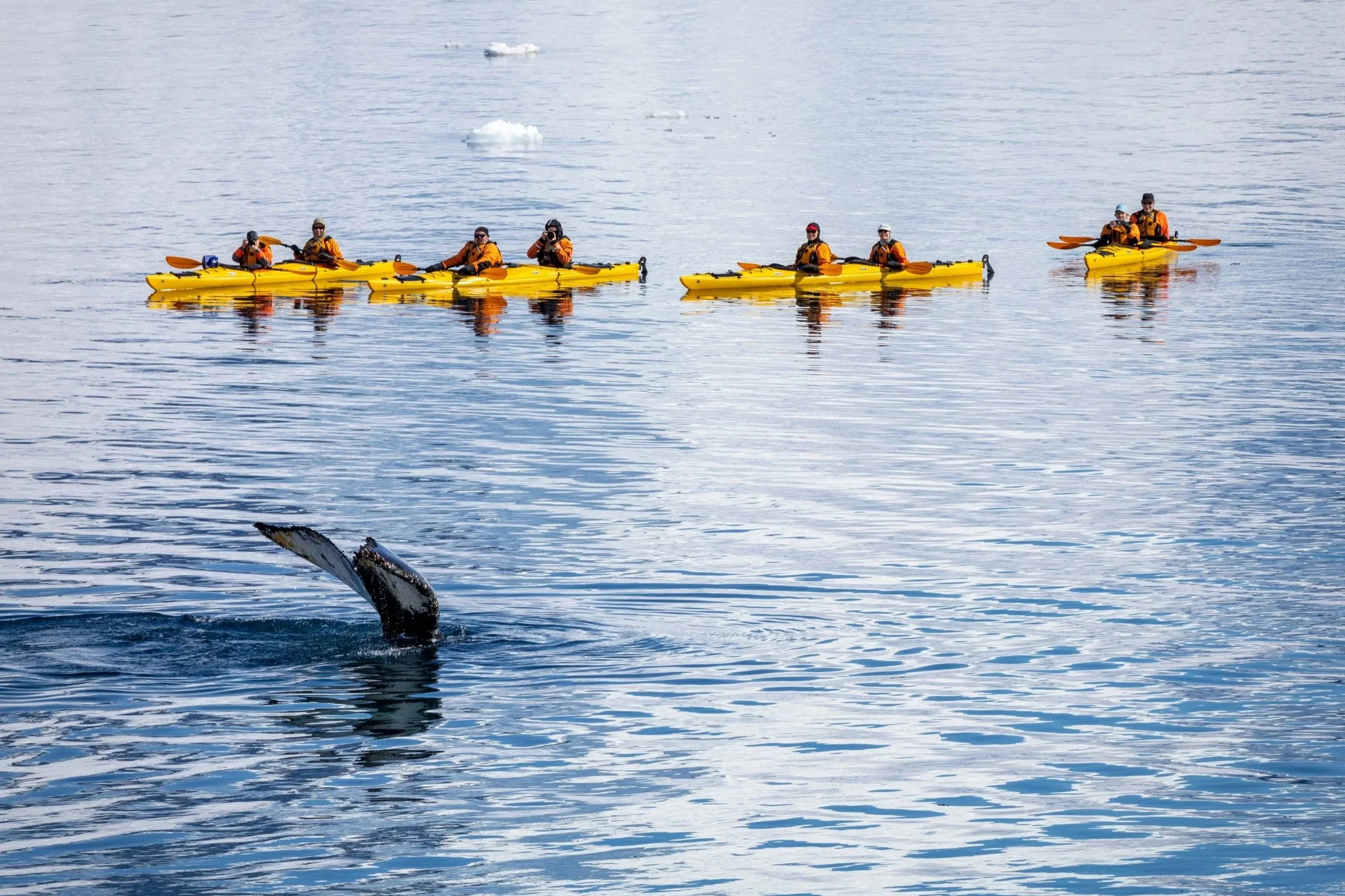
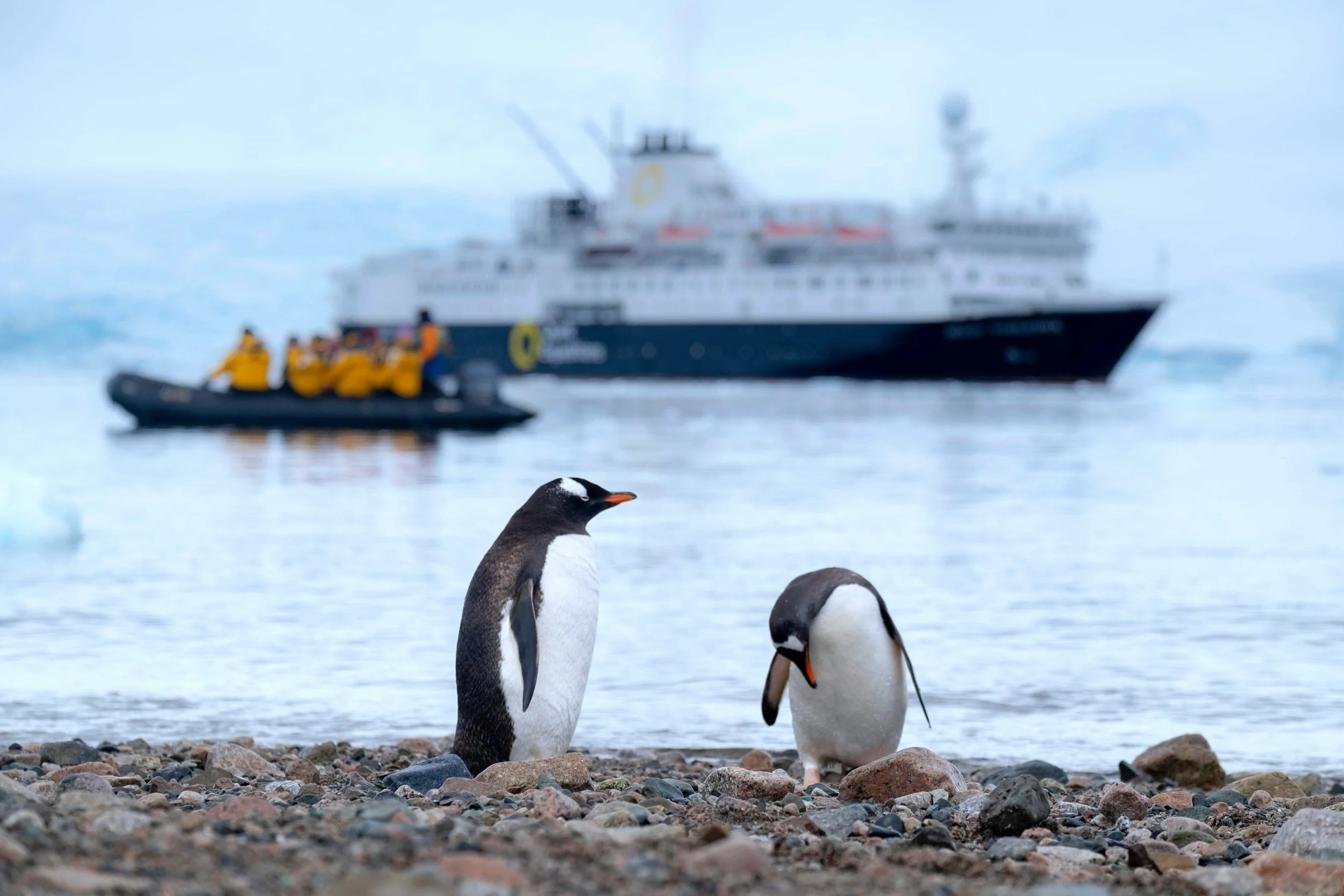
3. Cruises carrying 100 to 200 guests typically operate zodiac cruises and shore landings in parallel, rotating groups with up to two landings each day. Not everyone is ashore at once, so there is usually a short wait for your turn on the zodiacs. This is the most common category for expedition cruising and includes many of the best-known Antarctic operators.
Cruises: Silversea, Ponant, Hapag-Lloyd, Lindblad/National Geographic, Aurora Expeditions, Quark Expeditions, Albatros Expeditions, Swan Hellenic, Atlas Ocean Voyages, Abercrombie & Kent, Noble Caledonia, G Adventures, Oceanwide Expeditions, Polar Latitudes, Poseidon Expeditions, Heritage Expeditions, HX Expeditions
4. Cruises with 200 to 500 passengers are permitted only one landing per day and can access fewer than 20 approved sites. They offer a genuine expedition experience, but with more logistical constraints than smaller vessels. You can expect longer zodiac queues and less flexibility in where and when you go ashore. However, they do often have more convenient amenities onboard and you are able to view the scenery, penguins, seals, and whales from the deck.
Cruises: Scenic, Viking, Seabourn, Hapag-Lloyd, HX Expeditions
5. Cruises over 500 passengers cannot land anyone at all and only view the nature and wildlife. These cruises are best for those who are not interested in stepping foot on land and are happy to view penguins, seals, whales, and the scenery from the deck for a very limited about of time. The cruise lines typically add this trip to a larger South America itinerary. This can be an option for those looking for more accessibility.
Cruises: Holland America, Norwegian Cruise Line, Princess Cruises, Celebrity Cruises, Costa
6. Flying into Antarctica is a possibility for those who want to make the most of their time on the continent by skipping the infamous Drake Passage (a 2-day open ocean crossing that is among the roughest in the world). A charter flight from Chile (Punta Arenas) reaches the South Shetland Islands in around two hours, where you board your expedition ship and continue as normal. All of the same landing rules and expedition experiences apply once you are on the ship. A small number of ultra-luxury operators fly guests directly to the Antarctic interior from Cape Town for land-based camp experiences. This is an entirely different experience that offers access to the South Pole, emperor penguin colonies, and interior ice landscapes that no ship can reach. Note that there are no fly-in options for South Georgia, the Falkland Islands, or East Antarctica.
Operators: Antarctica21, Aurora, Silversea, Quark, Fly-cruise
Who is on an Antarctic expedition team?
This is not a secondary consideration; it really informs the experience. Between landings, the expedition team often runs an educational program onboard: scientific and historic lectures, landing briefings, and wildlife identification sessions. It’s completely optional of course, but the guides are an amazing resource (better yet, over a cocktail) with plenty of stories to share and a genuine enthusiasm for the region.
IAATO requires that 80% of field staff have relevant experience and 50% have specifically Antarctic experience. The minimum guide-to-guest ratio ashore is 1:20, which means you always have access to help navigating and guiding you through your experience. The depth and composition of that team varies enormously between operators. A vessel with a resident marine biologist, ornithologist, glaciologist, and a polar historian onboard is a different expedition from one with a single generalist guide. It helps to know who is on the science team, their disciplines, and the background of the Expedition Leader who runs the show. Learn about my research background in Antarctic ecology.

Should I fly or sail across the Drake Passage?
Standard Antarctic expeditions depart from Ushuaia, Argentina and cross the Drake Passage. It’s a two-day journey across the world’s roughest seas. For most ships, this is an exhilarating crossing, with many birding opportunities (albatrosses are certain!). For some passengers, it is a difficult one. Fly-cruise options exist that fly from Punta Arenas, Chile to King George Island and eliminate the Drake Passage entirely. You gain time but lose the gradual southern immersion (and bragging rights). This choice depends on your tolerance for adventure (aka. seasickness) and your objectives (mainly time and price). Travelling with children? See my family wildlife travel guide for age-appropriate expedition advice.
Personal note: It is possible to also experience calm sees and witness what we call the ‘Drake Lake.’ In those cases you may even be able to spend more time comfortably outside birding and whaling even on these days at sea. Regardless of the Drake Passage conditions, these sea days can often be quite cozy, reading in the polar library on board and attending lectures
Should I add South Georgia and the Falklands to my Antarctic trip?
Most Antarctic expeditions visit the Antarctica Peninsula from Ushuaia, Argentina and return. If you instead continue east to the Falkland Islands and South Georgia, you are rewarded with something categorically different. They have completely different landscapes, wildlife experiences, and histories compared to the Antarctic.
The Falkland Islands are an archipelago of windswept islands that operate as a British Overseas Territory. Only there can you find rockhopper penguins nesting in clifftop colonies and black-browed albatrosses breeding in their hundreds of thousands on just one island. The extraordinary density of wildlife and biodiversity you can experience in a short amount of time is incredible.
Personal note: One of my favorite places on the Falklands is Saunders Island, which is possible to visit as a tourist. The one island has over 20,000 birds breeding and is considered one of the most densely populated bird areas in the world (and an Important Bird Area by BirdLife International). Standing in one place you can see five species of penguins breeding and countless albatross. It is truly spectacular.
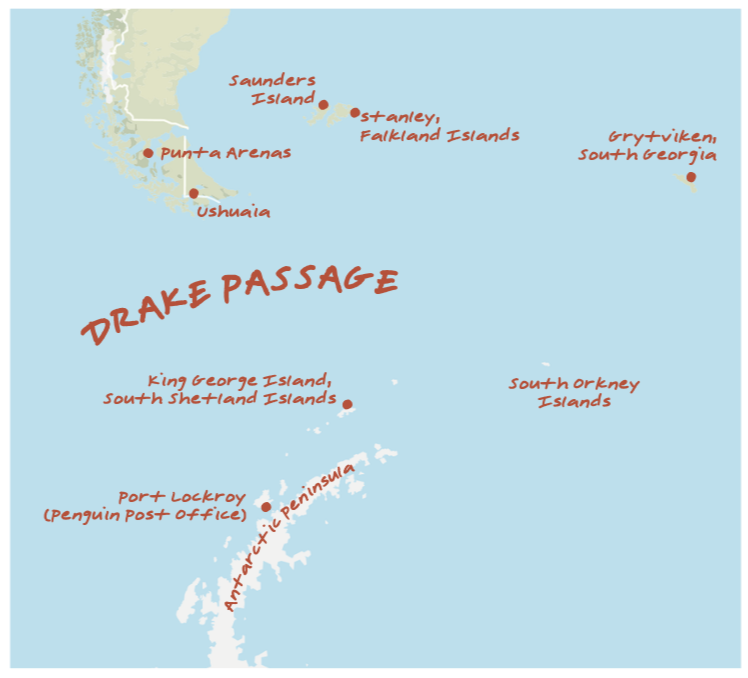
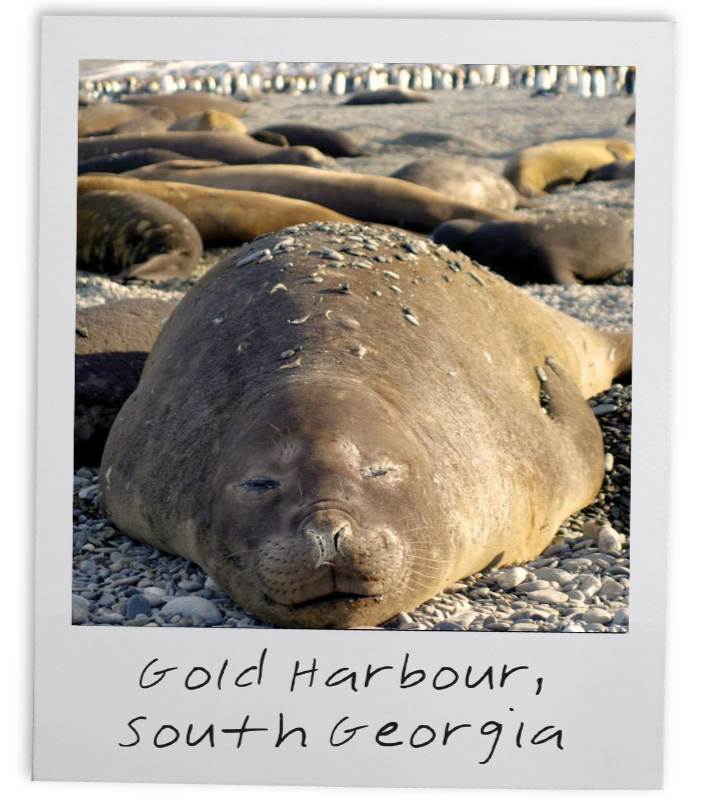
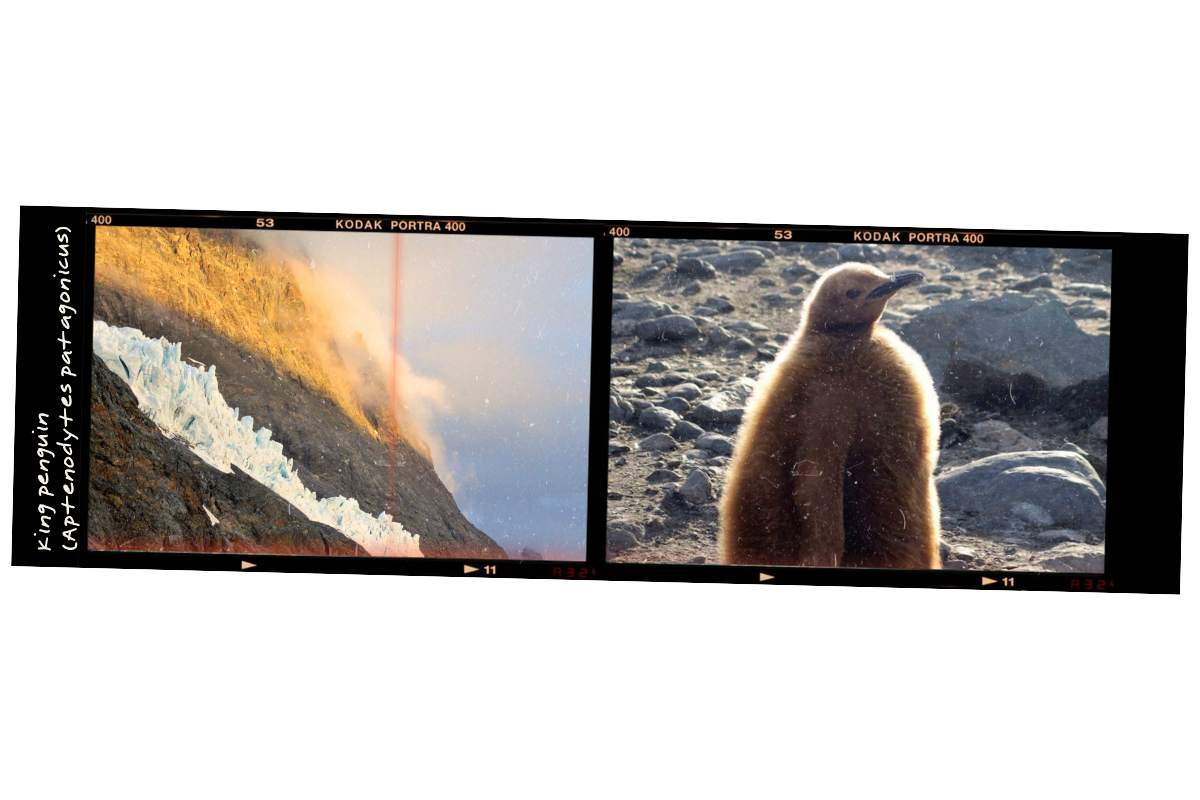
South Georgia operates at a different magnitude altogether. The king penguin colonies at Salisbury Plain and St. Andrew’s Bay alone number in the hundreds of thousands. They are among the densest concentrations of large vertebrates remaining anywhere on Earth, rivalled only by the great wildebeest migrations of East Africa. Add elephant seals hauled out in heaving masses on every beach, wandering albatrosses on the ridge lines above, and the grave of Ernest Shackleton at Grytviken, and you have a destination that most visitors describe as a bucket list experience. South Georgia has no permanent civilian population, no infrastructure, and no roads. The only way to visit is by ship as a tourist or as part of a small science team (run by the British Antarctic Survey).
Expeditions that include South Georgia are longer (typically 18-23 days versus 10-12 for Antarctica only trips) and cost more as a result. I have not spoken to a single person who included South Georgia on their itinerary and wished they hadn't. Most of them had visited Antarctica and heard from the guides and fellow passengers how incredible South Georgia was and had to see it for themselves.
Personal note: South Georgia is the single wildest place I have ever visited. I have reoccurring dreams where I am hiking in the tussock grass there and I wake up smiling every time. The two months I spent visiting (over a couple years time) was the single most informative time of my life.
What optional activities are available on an Antarctic expedition?
Kayaking, paddle-boarding, overnight camping, snowshoeing, mountaineering, scuba diving, and (on select vessels) helicopter excursions are available as add-ons with specific operators. These activities add cost and should be booked early because they often fill quickly. Make sure you choose an operator with availability before booking

How can my Antarctic trip support conservation?
The Antarctic Treaty of 1959, initally signed by twelve nations, designated the entire continent as a zone of peace and science, free from military activity and territorial claims. Today 56 nations are party to the treaty. The Protocol on Environmental Protection, added in 1991, goes even further, designating Antarctica as a natural reserve and prohibiting all mineral resource activity indefinitely. No other place on Earth has this level of legal protection written into international law.
Tourism operates within this framework under the governance of IAATO, the International Association of Antarctica Tour Operators, founded in 1991 by a group of operators who understood that self-regulation was necessary. IAATO sets the rules that determine how many people can be ashore at any site at once, which sites can be visited, what behaviour is permitted near wildlife, and how waste is managed. Every serious expedition operator is a member. The 100-passenger landing limit, the strict biosecurity protocols, the prohibition on approaching wildlife are all IAATO standards and they are monitored closely.
Science stations operate year-round or seasonally, depending on the nationality (bases owned by Argentines, British, Americans, Chileans, Ukranians and others). These stations support a wide array of scientists from astronomers and physicists to ecologists and climatologists.
Many operators support scientists on board (and they may even guid or lecture about their work). Citizen science projects are often carried out on expedition ships (for example, whale fluke identification through HappyWhale and phytoplankton sampling through FjordPhyto) which allow tourists to collect and contribute real data to climate and biodiversity research that no single institution could fund independently.
Personal note: I helped launch a successful citizen science website called Penguin Watch through Zooniverse. I couldn’t have done it without support from polar operators.
Antarctic travel is not carbon neutral and any operator who tells you otherwise is selling an offset rather than a fact. A journey to Antarctica involves significant flight emissions to reach the destination, followed by a ship crossing on fuel oil. The honest position is that this is a high-impact journey that is worth making, made as carefully as possible, by operators who reinvest meaningfully in science and protection. The Wild & Worthy position is the same: I would rather help you choose the right operator- one that contributes to research, runs the smallest possible vessel for your objectives, and operates within the strictest interpretation of IAATO guidelines- than pretend the carbon doesn't exist. If you are still interested in more details, I write about polar conservation in my Field Notes blog and monthly Substack newsletter (subscribe below).