Solo Wildlife Travel Guide
Solo wildlife travel is not a compromise. You move at your own pace. You choose the early morning game drive without negotiating. You sit with a wildlife sighting as long as you want. You eat dinner with the guide team instead of making small talk with a travel companion who would rather be at the pool. The people I have met who travel solo to wildlife destinations tend to come home with deeper experiences, not shallower ones.
That said, solo travel in remote, expedition environments is different from solo travel in cities. The logistics matter a lot more and the operators you choose are even more important. And there are practical considerations (for example, single rooming supplements and specific safety protocols) that are worth understanding before you book.
Personal Note: I have travelled solo to Antarctica, South Georgia, the Falkland Islands, Patagonia, South Africa, New Zealand, Australia, and across Europe. The reality is that on expedition ships and in lodges, you are never truly alone; you are surrounded by people who share your interests and by staff whose job is to make you feel welcome. Some of the best friendships I have were made on field expeditions where I arrived knowing nobody.

Sign up to receive my weekly newsletter on wildlife, conservation, and travel that puts the natural world first.
FAQs
Is solo wildlife travel safe?
Absolutely! But, it’s important to choose the right operator. The destinations I suggest with are not backpacking circuits. These are structured, professionally guided environments. On an expedition ship, you have a full crew, expedition team, and ship's doctor. At a safari lodge, you are often accompanied by an armed ranger and experienced tracker on every game drive. In a tented camp, staff are on call around the clock.
The risk profile of a luxury safari or polar expedition is comparable to a guided mountaineering trip; the environment is inherently wild, but the operational protocols are well-established and rigorous. IAATO-member expedition ships in Antarctica, for instance, have safety records that are better than most Alps ski resorts.
In very remote bush camps or on smaller sailing vessels, group dynamics and guide quality can really impact your experience. This is where having someone vet the operator on your behalf makes a genuine difference.
Will I pay more as a solo traveller?
Usually, yes, but not always. And often the trips are less than you expect. The single supplement for accommodation is the main additional cost. Most safari lodges and expedition ships price per room or per cabin, not per person. If you are occupying a room alone, you pay for the empty bed. Single supplements typically range from 30% to 80% of the per-person rate, depending on the operator.
However, a growing number of operators now offer dedicated solo cabins or reduced single supplements specifically to attract independent travellers. Some expedition ships have purpose-built single cabins at no supplement at all. Others run solo-traveller departures where the supplement is waived. This is one of the fastest-growing segments in expedition travel, and operators know it.
I track which operators offer the best solo pricing, which lodges have genuinely single-friendly room configurations, and which departures are most popular with solo travellers. It is one of the things I am asked about most often.
What type of trip works best for solo travellers?
In my opinion, expedition ships are the single best format for solo wildlife travel. You have your own cabin for privacy and to decompress, but still have the natural communal structure of the ship (shared meals, excursions, lectures, wildlife sightings from the deck), so you are part of a group without being locked into one. The social dynamic happens naturally. Nobody eats alone unless they prefer it. The staff onboard are also fascinating, friendly folks with plenty of stories to share.
Safari lodges work beautifully for solo travellers, particularly smaller camps (6 to 12 rooms) where guests dine together and share game drives. The communal bush dinner around a fire is one of the great levelling experiences in travel- it does not matter whether you arrived alone or as a couple. The conversation is about what you saw that day.
I would be more cautious about recommending a large resort or cruise ship for a solo traveller who is specifically interested in wildlife and nature. The experience at scale tends to be more impersonal, the wildlife encounters are briefer, and the social opportunities can feel more awkward without a built-in group.
Want even more scientific depth on your trip? See The Naturalist page for more educational vacation ideas.
What about solo travel for women?
The safety considerations are the same as for any solo traveller- choose a reputable operator, travel to well-managed destinations, and ensure your accommodation is secure. In my experience, the wildlife travel world is one of the safer and more welcoming environments for women travelling alone. The camps are small, the staff know every guest by name, and the wilderness setting attracts a self-selecting group of thoughtful, curious people.
If you prefer a women-only environment, there are operators who run women-only departures, particularly for polar expeditions and African safaris.
Can I do an Antarctic expedition solo?
Women make up the majority of solo wildlife travellers. The safety considerations are the same as for any solo traveller- choose a reputable operator, travel to well-managed destinations, and ensure your accommodation is secure. In my experience, the wildlife travel world is one of the safer and more welcoming environments for women travelling alone. The camps are small, the staff know every guest by name, and the wilderness setting attracts a self-selecting group of thoughtful, curious people.
If you prefer a women-only environment, there are operators who run women-only departures, particularly for polar expeditions and African safaris. I can point you towards these if that is something you are looking for.
Considering an Antarctic expedition solo? Read my full Antarctica guide.
Can I do a safari solo?
Yes, and it is more common than most people think. The logistics of a solo safari are straightforward: you book a room, you join the scheduled game drives (which are often shared with other lodge guests), and you eat communally. The difference between a solo safari and a couples safari is mostly the single supplement. The on-the-ground experience is nearly identical.
Some lodges offer specific solo-friendly features: single rooms without a supplement, shared vehicle arrangements so you are not paying for a private guide when you do not need one, and flexible meal times so you can join other guests or eat alone.
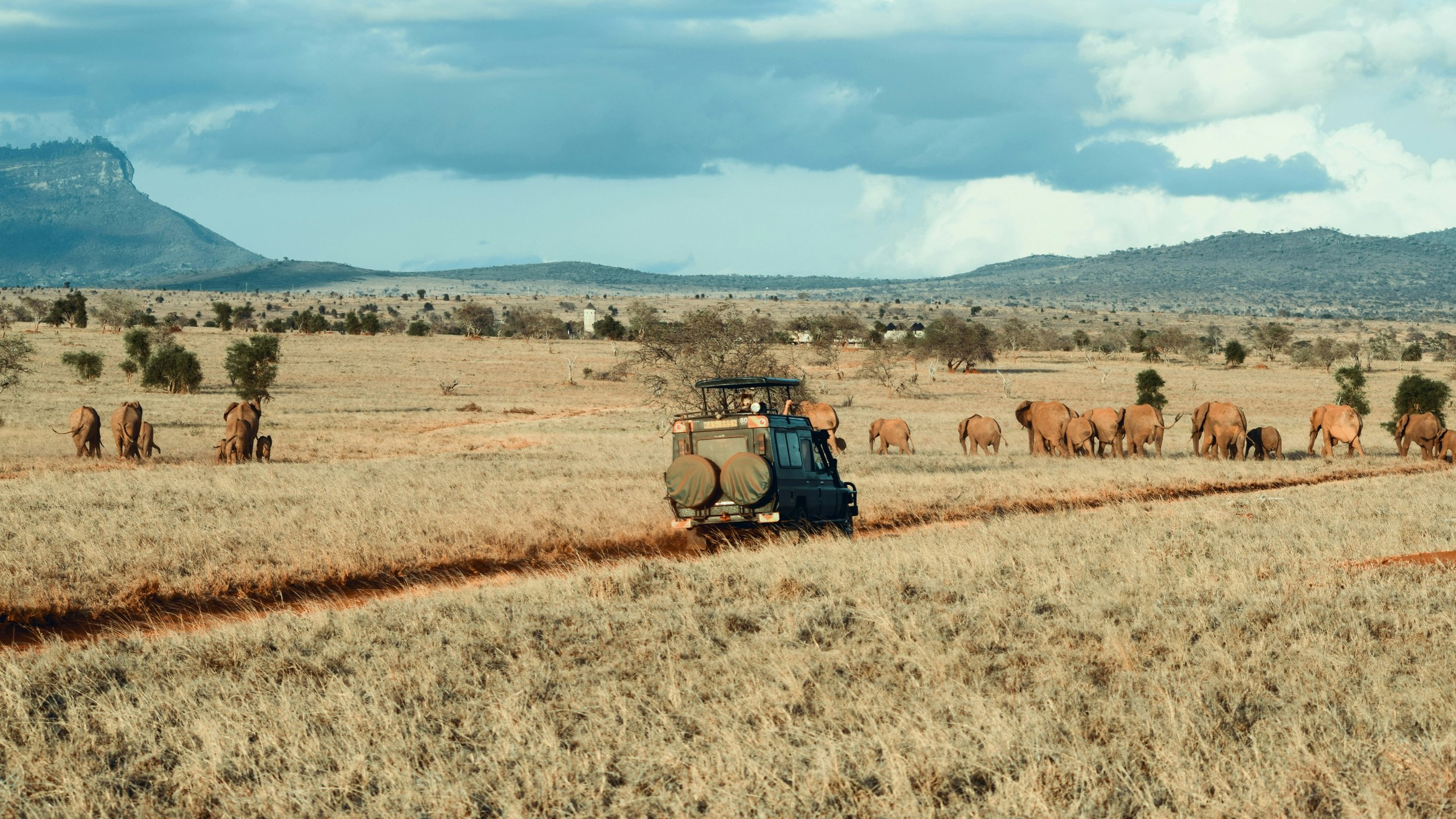
The destinations I recommend most for solo safari travellers are Botswana, South Africa (particularly the Sabi Sand and greater Kruger private concessions), and Tanzania. These regions have the densest concentration of well-managed, small-camp operators with strong communal cultures.
What if I want privacy, not socialising?
Solo travel does not have to mean social travel. If you want solitude and privacy, the trip simply looks different. Think, a private mobile safari in Botswana with your own guide and vehicle or a lodge with private dining and a plunge pool where you can spend the afternoon in silence watching elephants at the waterhole.
The distinction is between "solo" as in travelling without a companion, and "solo" as in seeking solitude. Both are valid (and often needed) they just require different planning. I am equally comfortable suggesting a trip for someone who wants to make ten new friends over bush dinners and someone who wants to spend a week alone in the Okavango Delta with only a guide and a mokoro.
How do I choose the right operator for solo travel?
The questions worth asking are different for solo travellers than for couples or families. The five things I look at when recommending an operator for someone travelling alone:
1. The room: Does the operator offer genuine single cabins, or are they charging a supplement for a double you are using alone? Purpose-built solo cabins are smaller but priced more fairly.
2. Dining and social style: Does the resort, lodge or ship have a communal table, shared bar area, or evening program that creates natural meeting points? Or is it all private dining and room service? Many solo travellers prefer these communal aspects.
3. Group size:. Smaller is almost always better for solo travellers. On a 12-passenger yacht, you know everyone by day two. On a 200-passenger ship, you can spend two weeks without speaking to the same person twice. Both experiences have value, but if you want connection, go smaller.
4. Guide-to-guest ratio: A higher ratio means more personal attention, more flexible itineraries, and more time with the experts. This matters more when you do not have a companion to debrief with — the guide becomes your sounding board.
5. Track record: Ask the operator what percentage of their guests travel alone. If the answer is "a lot," they will have systems in place (welcome dinners, buddy systems for activities, cabin assignments that put solos near each other). If the answer is "occasionally," you may feel like an afterthought.